Structure
Why Your Wall Cracks Even After Skim Coating
May 8 2026
Wall cracks after skim coating frustrate many Malaysian homeowners. Understanding the root cause is the first step to a lasting fix.
If you have ever stood back to admire a freshly skim-coated wall, only to notice hairline cracks appearing days or weeks later, you are not alone. Across Malaysia, from the terrace houses of Subang Jaya to the condominiums along Jalan Ampang, this is one of the most commonly reported complaints after renovation work. People assume that skim coating is the final solution to a rough or patchy wall, but in reality, it is more of a cosmetic layer than a structural repair.
The truth is, skim coating done without addressing the underlying issues almost guarantees that cracks will return. It does not matter how skilled your contractor is or how expensive the product used — if the foundation of the problem is ignored, the surface will eventually tell the story. In this article, we break down the real reasons why your wall cracks even after skim coating, and what you can do to prevent it from happening again.
Wall Cracks After Skim Coat: More Common Than You Think
If you have ever stood back to admire a freshly skim-coated wall, only to notice hairline cracks appearing days or weeks later, you are not alone. Across Malaysia, from the terrace houses of Subang Jaya to the condominiums along Jalan Ampang, this is one of the most commonly reported complaints after renovation work. People assume that skim coating is the final solution to a rough or patchy wall, but in reality, it is more of a cosmetic layer than a structural repair.
The truth is, skim coating done without addressing the underlying issues almost guarantees that cracks will return. It does not matter how skilled your contractor is or how expensive the product used — if the foundation of the problem is ignored, the surface will eventually tell the story. In this article, we break down the real reasons why your wall cracks even after skim coating, and what you can do to prevent it from happening again.
What Skim Coating Is — and What It Is Not Designed to Do
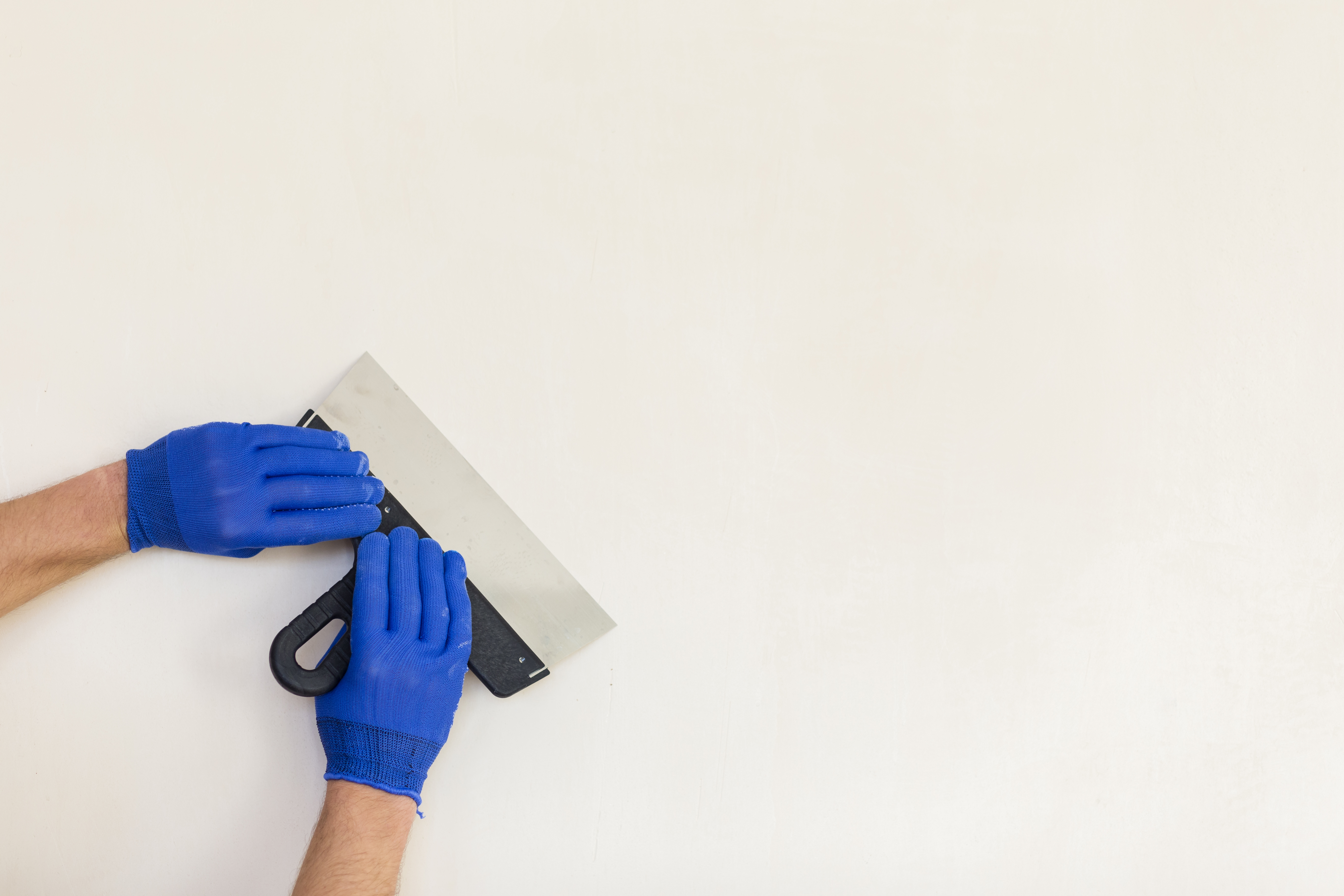
Before jumping into the causes, it helps to understand what skim coating actually is. Skim coating is the process of applying a thin layer of finishing compound or cement-based plaster over an existing wall surface. The goal is to create a smooth, even finish ready for painting. In Malaysia, skim coat products are widely used in new builds and renovation projects, often applied over brick walls, concrete surfaces, or older plaster.
What skim coating is not, however, is a crack repair solution. It is not designed to fill deep gaps, address structural movement, or compensate for moisture-laden walls. When contractors or homeowners apply skim coat over a wall with existing problems, they are essentially painting over rust — the surface looks better temporarily, but the damage underneath continues to develop.
Top Reasons Why Skim Coating Wall Cracks Keep Returning
1. The Original Cracks Were Not Properly Repaired First
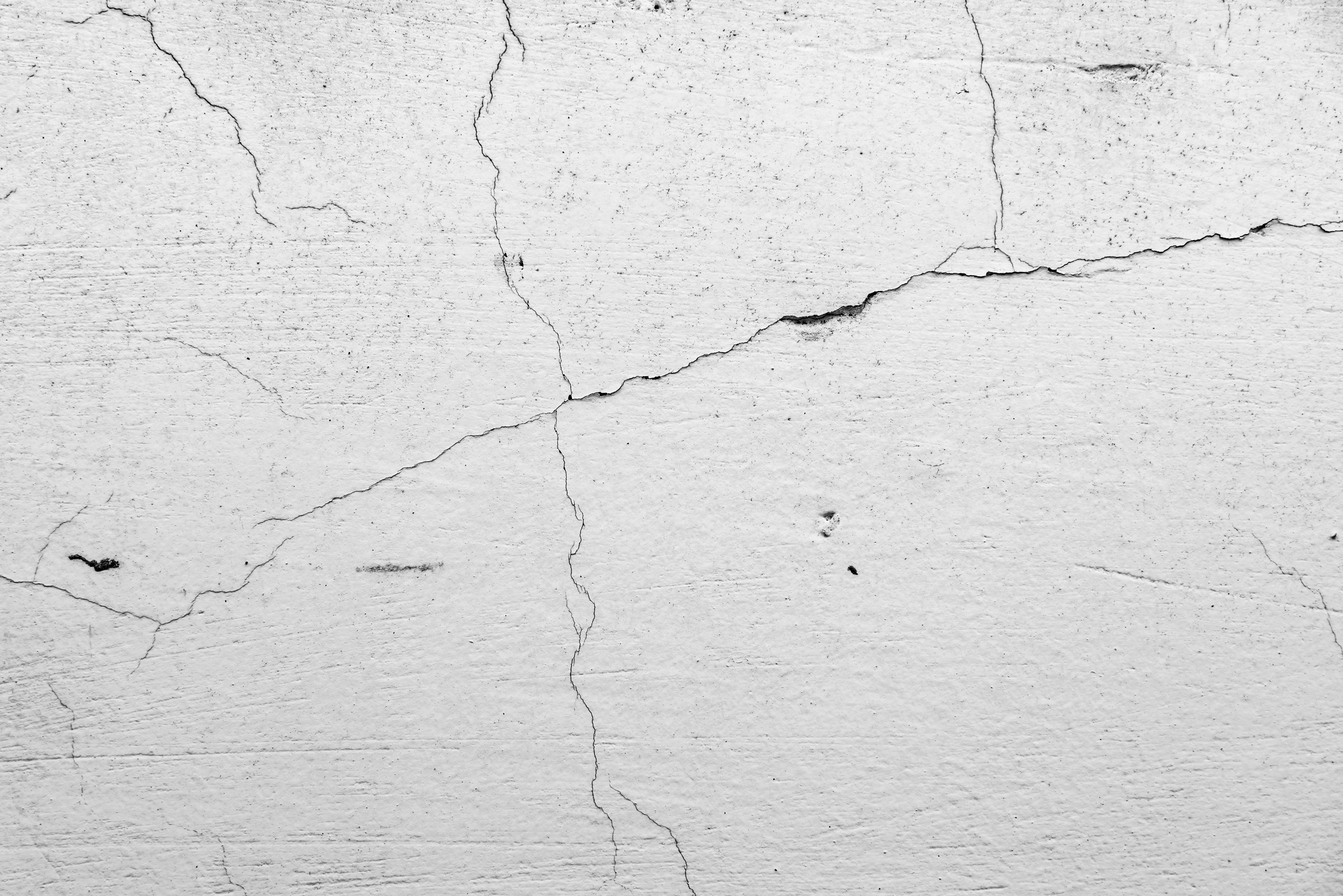
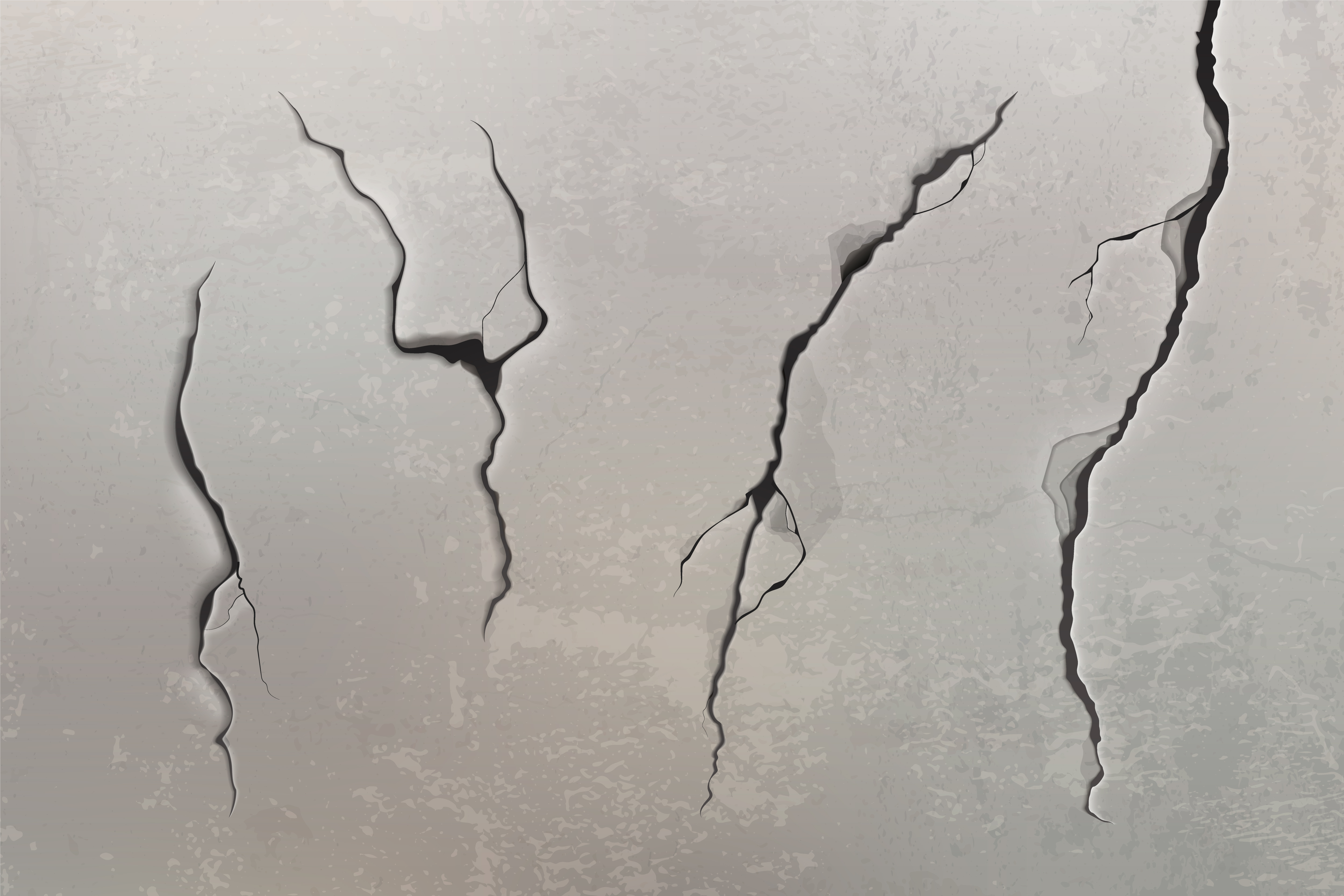
This is by far the most common reason wall cracks after skim coat reappear. Many contractors skip the step of properly filling and treating existing cracks before applying skim coat. They might use the skim coat itself to fill shallow cracks, which seems practical but is a shortcut that backfires. Skim coat compounds are not formulated for crack filling — they shrink as they dry and lack the flexibility needed to bridge a structural gap.
The right approach is to first widen the crack slightly, clean out loose debris, apply a proper crack filler or epoxy-based compound, allow it to fully cure, and only then proceed with skim coating. In Malaysia's renovation scene, time and budget pressures often cause this step to be rushed or skipped altogether.
2. Moisture and Humidity Are Working Against the Wall
Malaysia's tropical climate is both a blessing and a construction challenge. With humidity levels consistently above 70 percent and heavy rainfall throughout the year, moisture intrusion is a persistent issue for walls. When water seeps into concrete or brick through cracks, poor sealing, or roof leaks, it creates internal pressure. As walls absorb and release moisture with changes in temperature and humidity, the surface expands and contracts repeatedly.
Skim coat, being a thin and relatively rigid layer, cannot accommodate this constant movement. Over time, stress builds up and the surface cracks along the weakest points. If your wall shows signs of efflorescence — that chalky white powder that sometimes appears on exterior or bathroom walls — that is a clear signal that moisture is actively moving through the material, and no amount of skim coating will stop the cracking until the moisture source is fixed.
3. Poor Surface Preparation Before Application
A skim coat is only as good as the surface it is applied to. If the wall is dusty, oily, or has loose and flaking paint, the new skim coat layer will not bond properly. Without a strong mechanical bond between the skim coat and the substrate, the coating will begin to separate, peel, or crack as soon as stress is applied. In many Malaysian renovation projects, walls are not sanded down, cleaned, or primed before skim coating begins.
Wall primer plays a particularly important role here. A coat of good bonding primer or PVA solution seals the surface, controls suction, and creates the right texture for the skim coat to grip onto. Skipping this step is a false economy — the money saved on primer will be spent twice over when re-skimming needs to be done a year later.
4. Structural Movement in the Building
Buildings move — this is a fact that surprises many homeowners, but it is entirely normal for a structure to settle slightly over time, especially in the years after construction. In Malaysia, where high-rise developments and landed properties are often built on clay-rich soil, ground movement and soil settlement can cause walls to shift slightly. This is referred to as differential settlement, and it commonly produces diagonal cracks near corners of windows, doors, or ceiling joints.
If structural movement is the underlying cause of your wall cracks, skim coating is only ever a temporary cosmetic fix. The crack will reappear, usually within months, and often in a slightly different pattern. In cases like this, it is worth consulting a structural engineer or an experienced contractor who can assess whether the movement has stabilised or is ongoing.
5. Incorrect Mixing Ratio or Low-Quality Skim Coat Product
Not all skim coat products are equal, and not all contractors follow mixing instructions carefully. In Malaysia, the market offers a wide range of skim coat products at various price points — some well-suited for high-humidity environments, others less so. Using a product that is too porous, mixed too thin, or applied in excessively thick layers creates conditions where cracking becomes almost inevitable during the drying process.
Skim coat applied too thick in a single pass tends to crack as it shrinks while curing. The industry standard recommends applying multiple thin layers, allowing each layer to dry before applying the next. When this process is rushed — especially in hot and humid Malaysian weather where contractors may be tempted to speed up the job — the result is a surface layer that is under stress before it has even been painted.
How to Prevent Skim Coating Wall Cracks in Malaysian Homes
The good news is that most of these problems are entirely preventable with the right approach. The key is understanding that skim coating should always come last in a sequence of preparatory steps, never first.
Start by inspecting the wall thoroughly for cracks, moisture stains, peeling paint, and signs of mould. Address any water source issues — check roof gutters, window seals, plumbing, and drainage near external walls. Once the wall is structurally sound and dry, use an appropriate crack filler to treat all visible cracks. Sand the wall, remove dust, and apply a bonding primer before the skim coat goes on. Work in thin, even layers, and give adequate drying time between coats.
For walls that have historically cracked repeatedly, consider applying a fibreglass mesh tape over crack-prone areas before skim coating. This adds a layer of tensile reinforcement that helps prevent stress cracks from resurfacing. Some contractors in Malaysia are now also recommending flexible, elastomeric skim coat formulations for properties in high-humidity areas or for walls that face direct sunlight — these products can handle a degree of movement without cracking.
When to Call a Professional About Wall Cracks After Skim Coat
While minor surface cracking can sometimes be a DIY fix, there are situations where professional assessment is genuinely necessary. If the cracks are wider than three millimetres, if they are accompanied by uneven surfaces or bulging walls, or if they appear suddenly rather than gradually, these may indicate a more serious structural issue that goes beyond cosmetic repair.
In Malaysia, it is also worth noting that certain types of cracks can affect the resale value of a property, especially in the secondary market where buyers and valuers take wall conditions seriously. Addressing the problem properly — rather than covering it up — protects both the integrity of the home and its long-term value. A reputable renovation contractor should be transparent about what is causing the cracking and provide a solution that targets the root issue, not just the visible symptom.
Final Thoughts on Why Your Wall Cracks Even After Skim Coating
Wall cracks after skim coating are frustrating, but they are rarely mysterious. In almost every case, they trace back to one of the issues outlined in this article — skipped preparation, unresolved moisture, structural movement, or poor application technique. The solution is not to apply another layer of skim coat and hope for the best. The solution is to take the time to understand what the wall is telling you, address the root cause, and only then apply a proper finish.
For Malaysian homeowners, working with a contractor who takes wall preparation seriously is worth every ringgit. A good finish is not just about how it looks on the day of completion — it is about how it holds up through years of heat, humidity, and the occasional heavy downpour. Done right, a skim-coated wall should be something you forget about entirely, because it simply stays smooth.